What is MigraineMe?
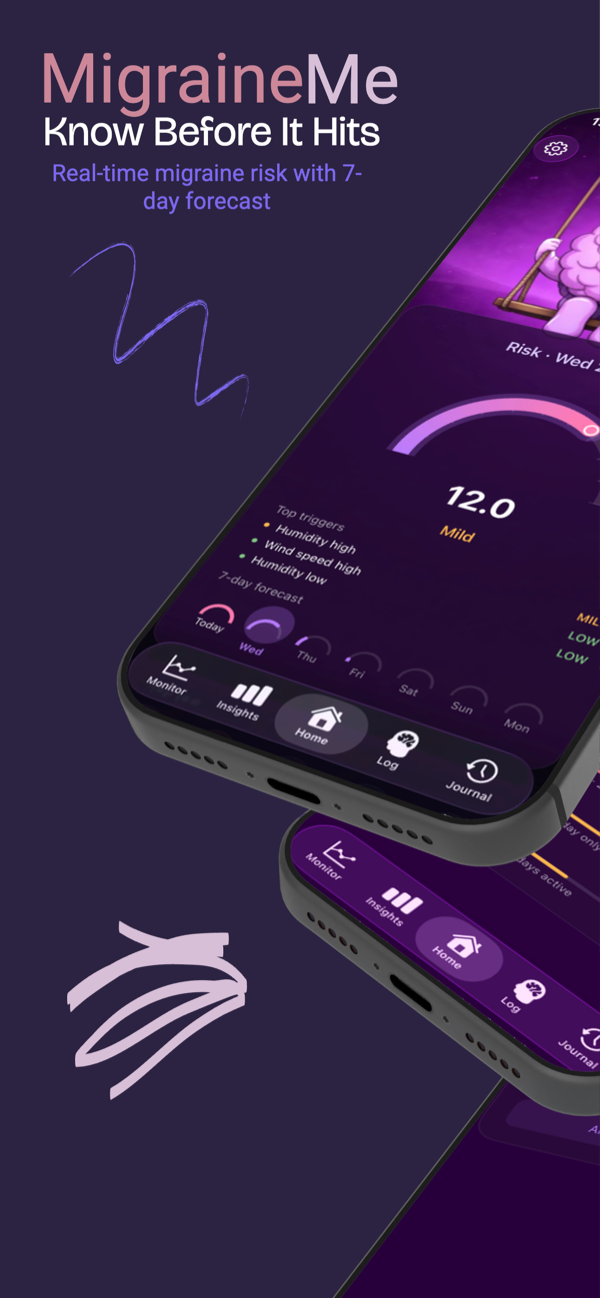
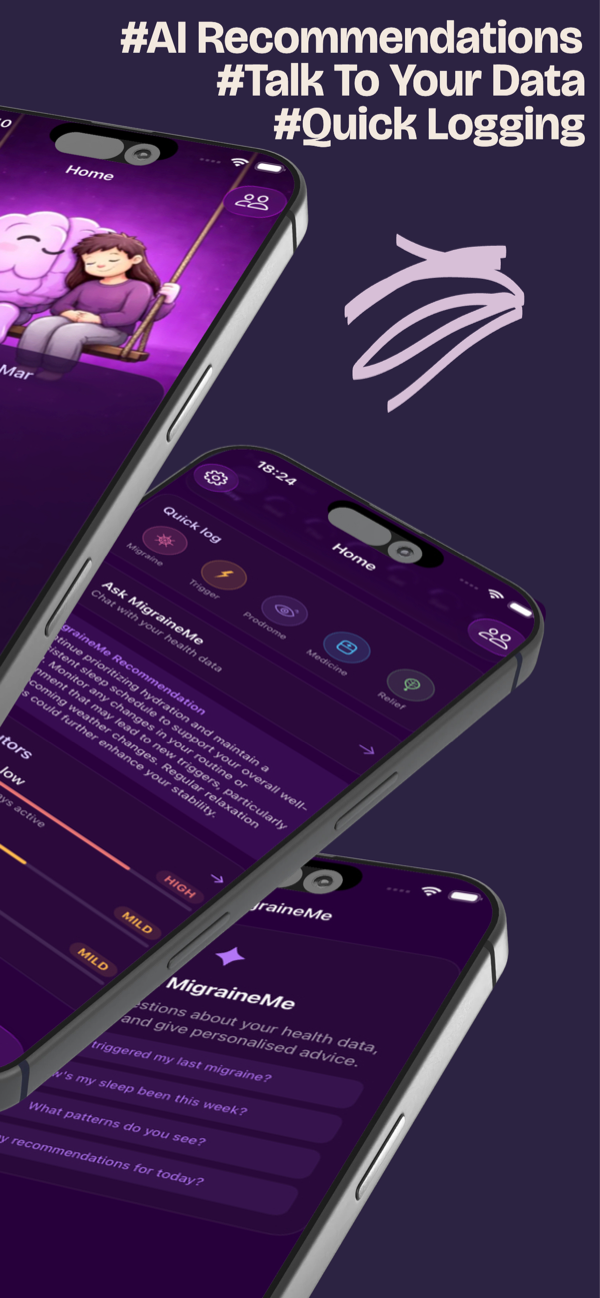
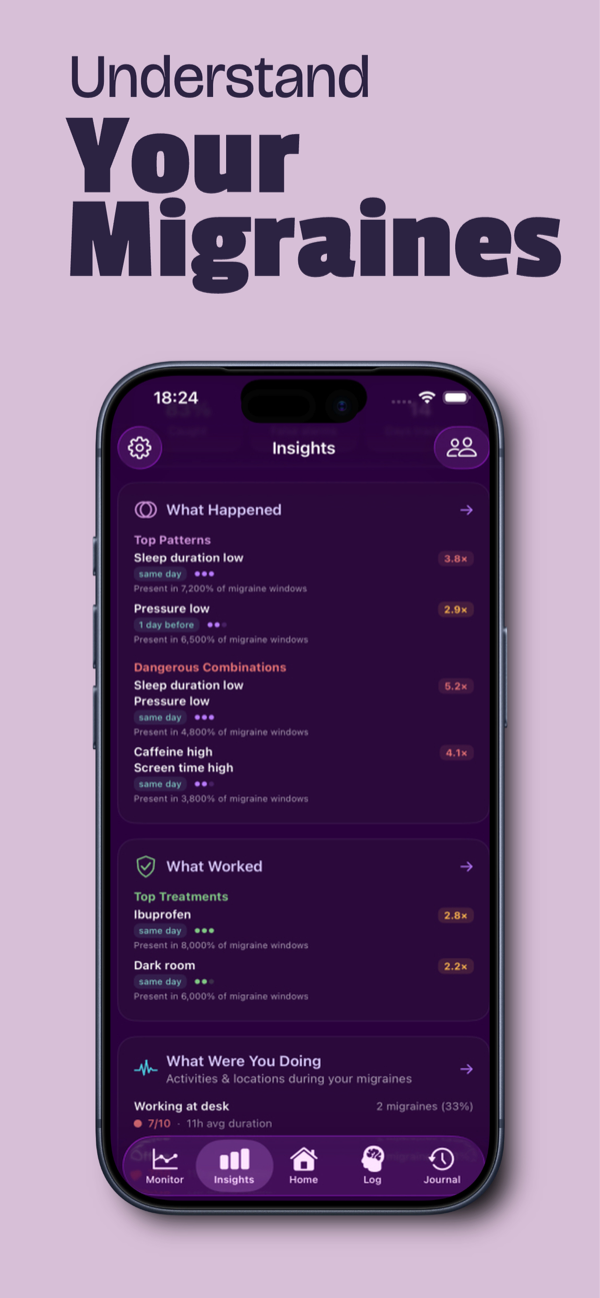
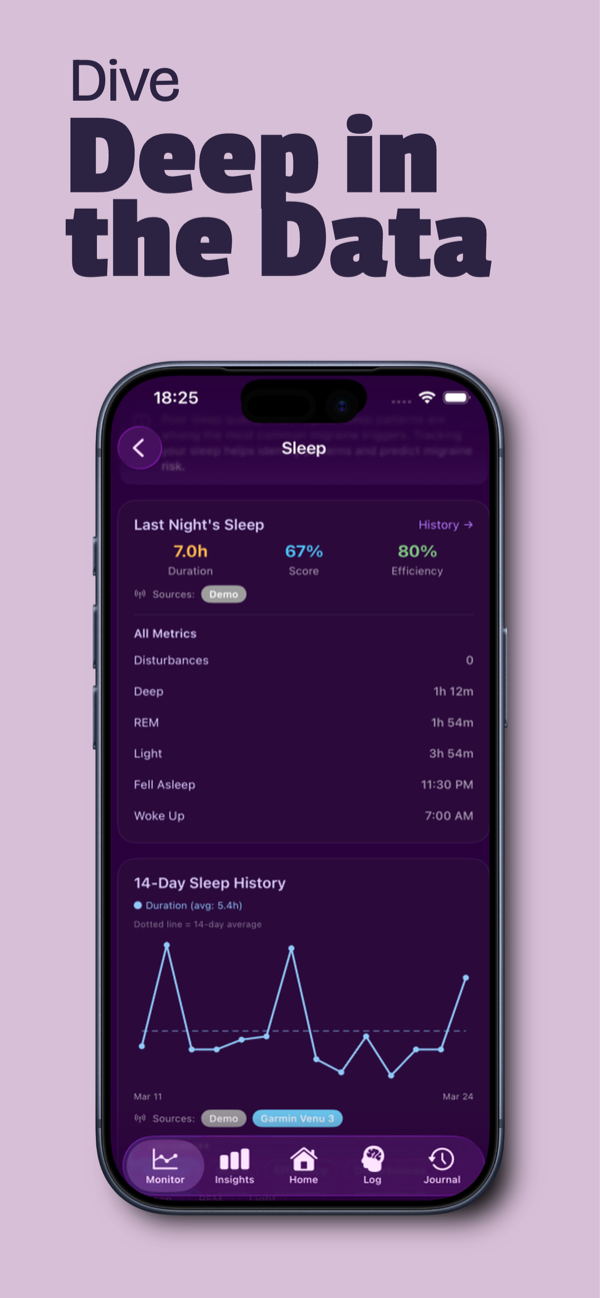
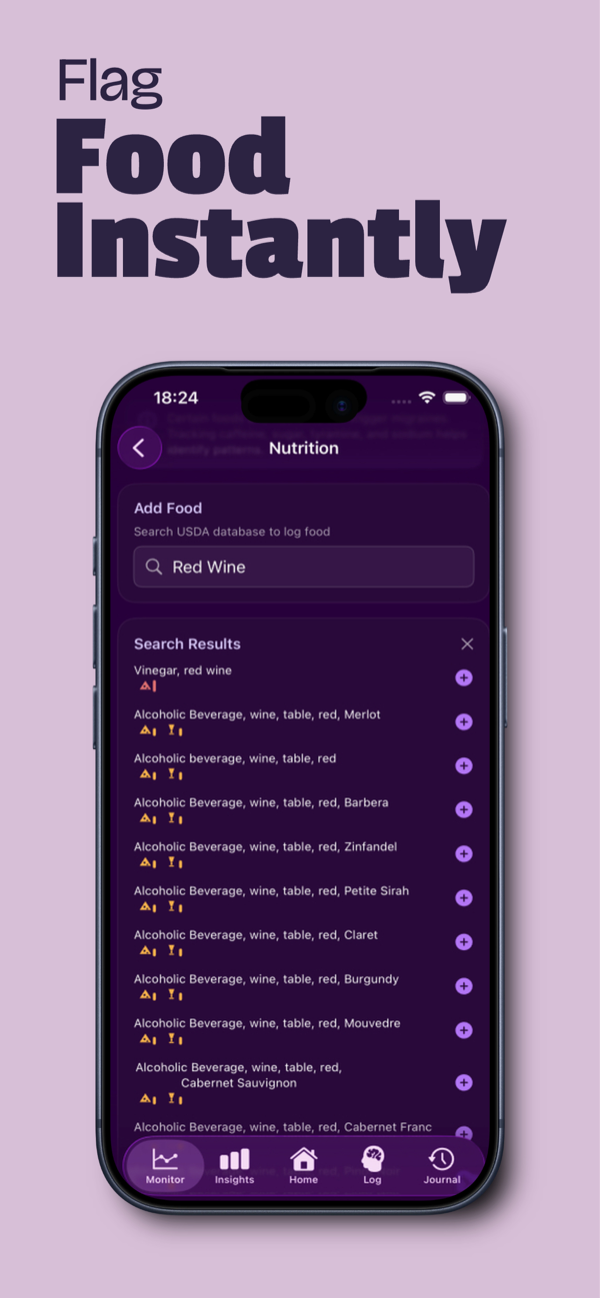
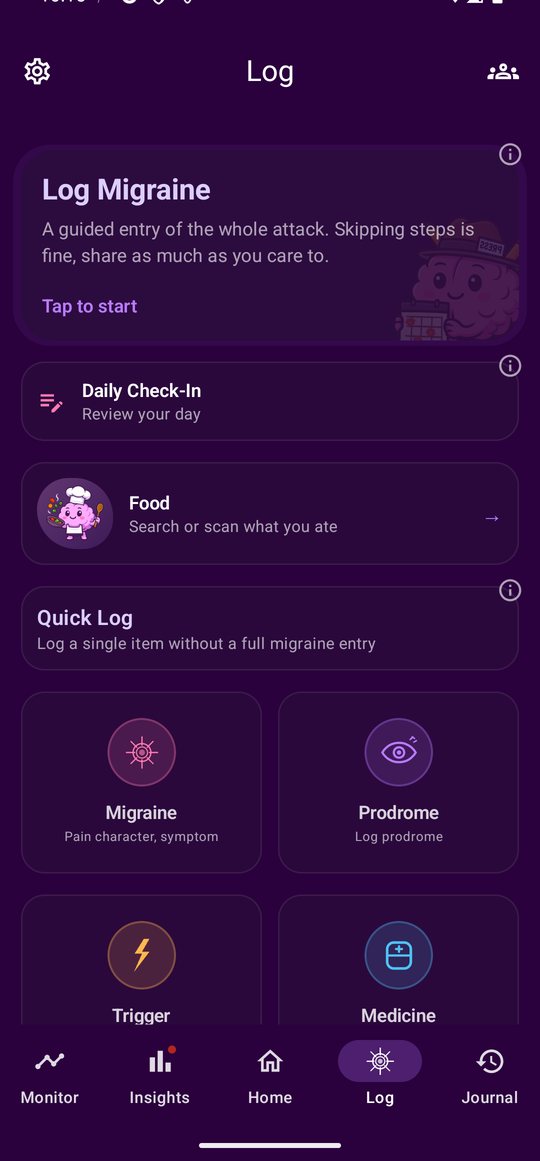
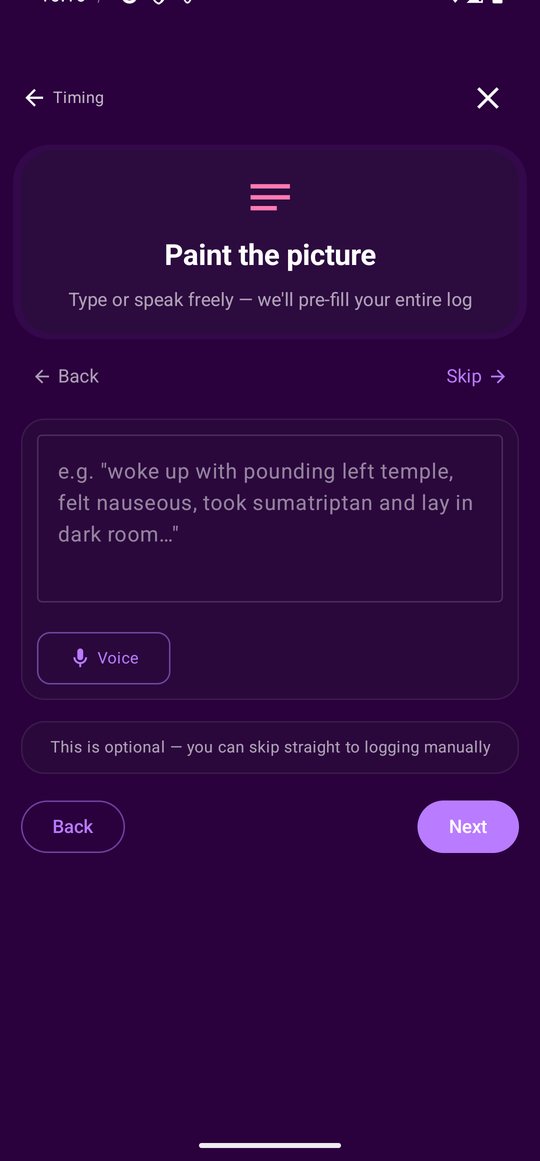
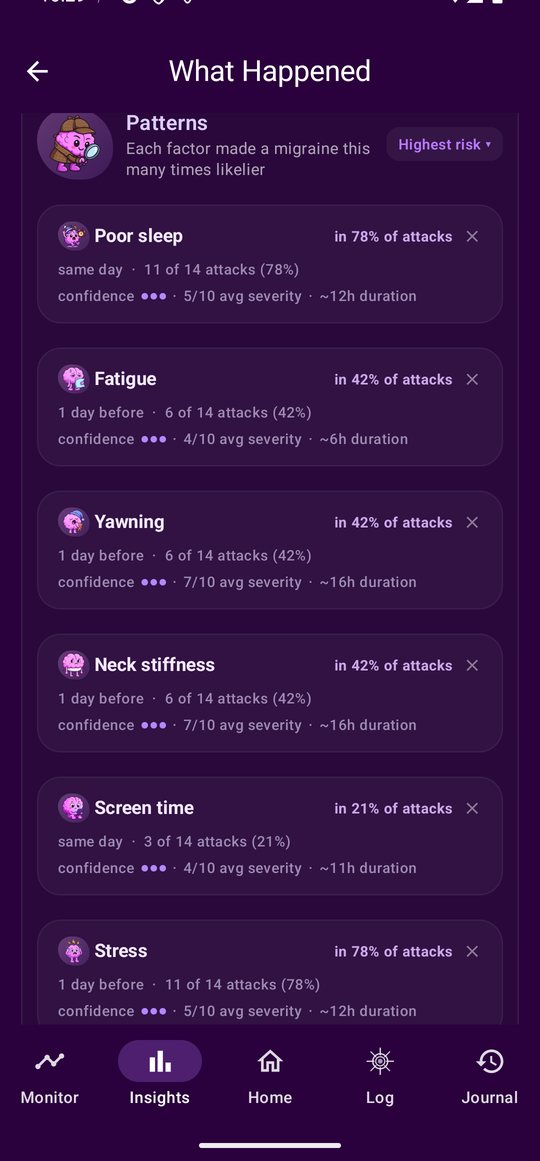
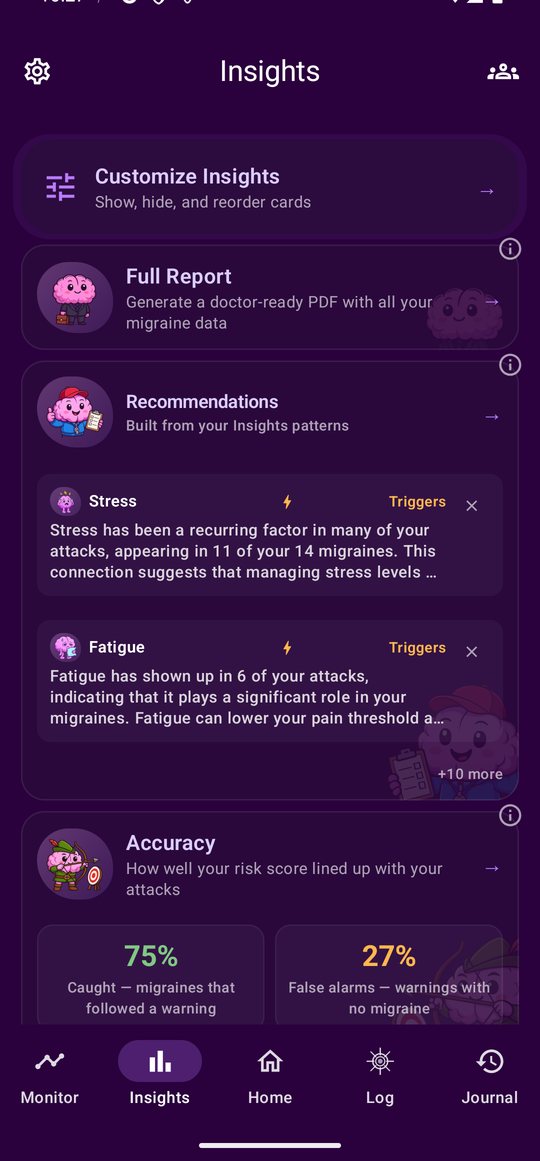
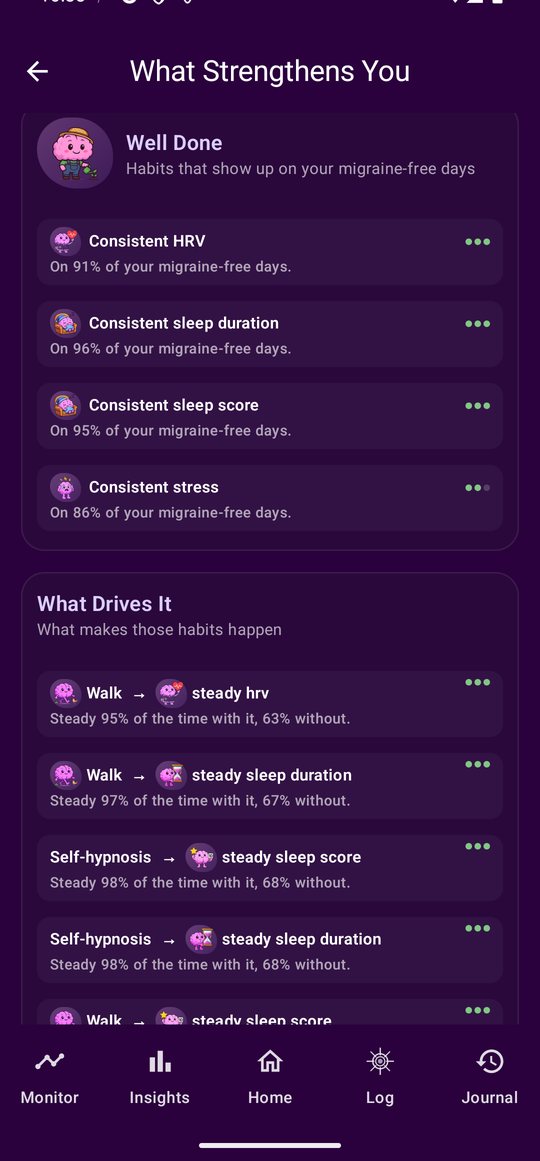
A personal migraine companion for iOS and Android. You log your attacks; it collects sleep, weather, stress, food, cycle and wearable data on its own, finds which of them actually precede your migraines, estimates your risk day by day, and turns the patterns into recommendations, a report for your doctor, and a dashboard your practitioner can see if you let them.
How does MigraineMe estimate migraine risk?
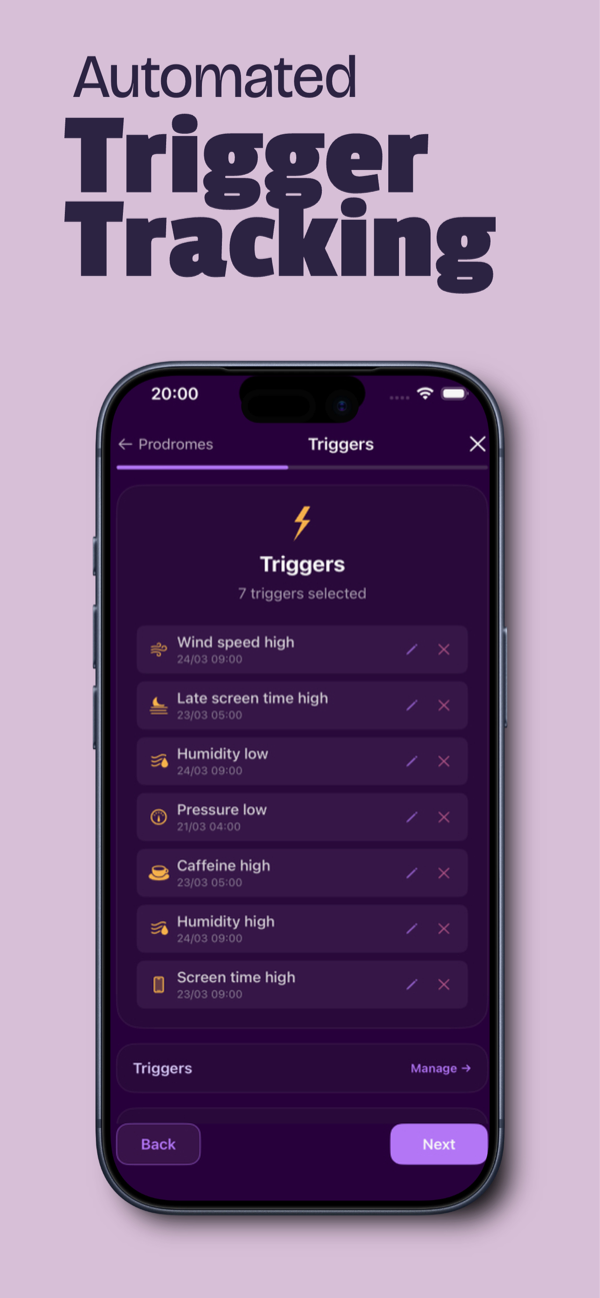
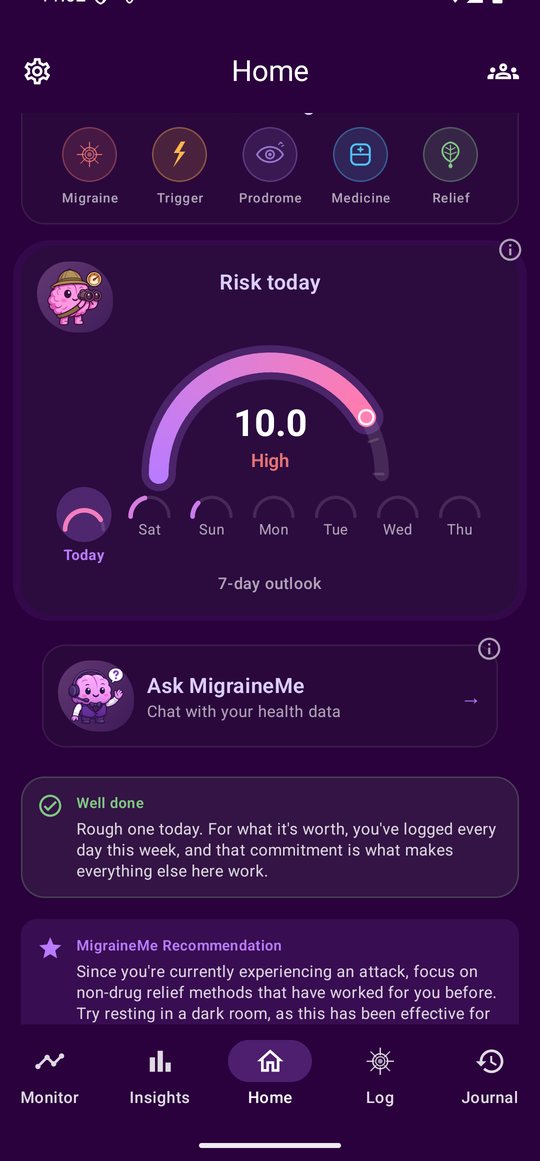
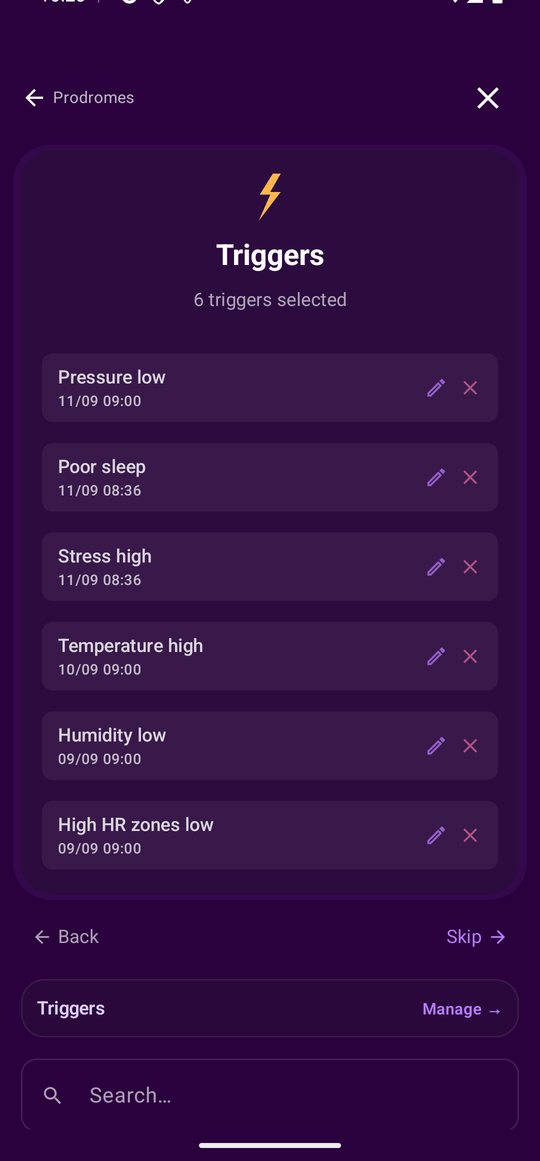
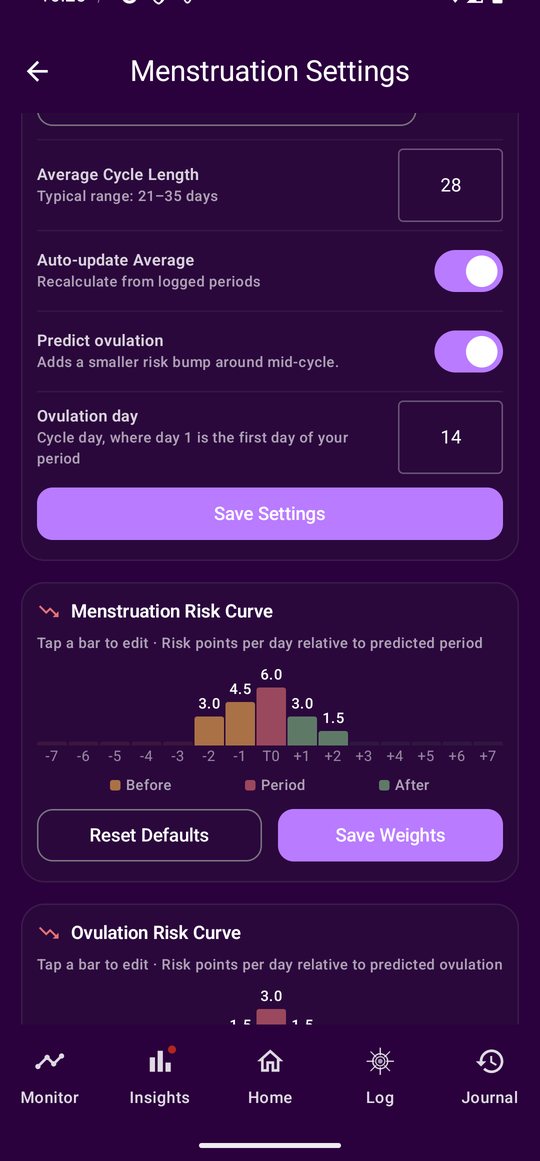
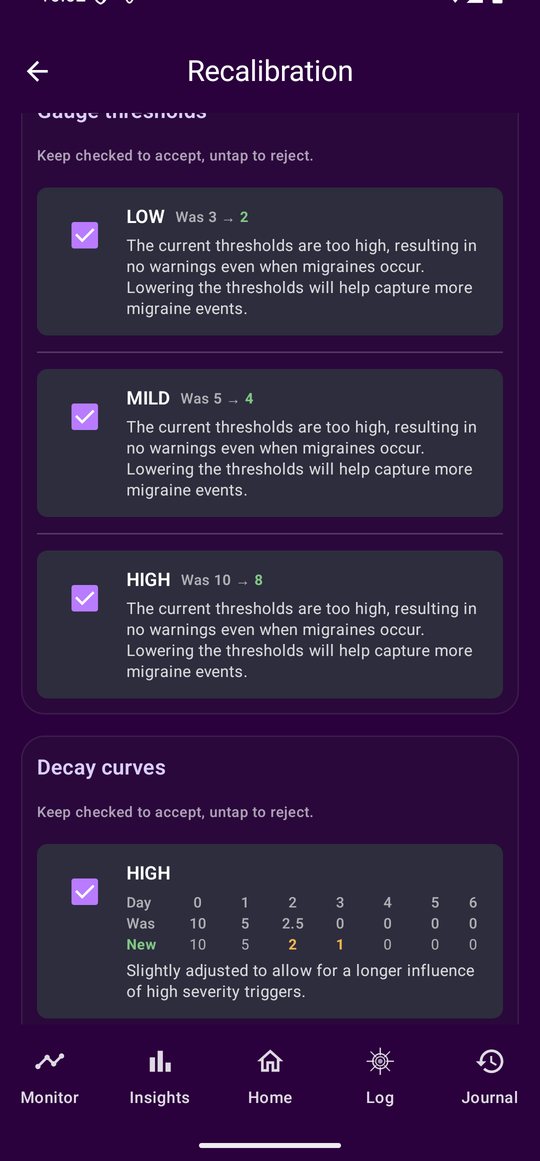
From your triggers. Every trigger you log and every one the app detects, from weather, sleep, your phone or a wearable, has a severity you chose, and recent ones weigh more than older ones as the effect fades over 7 days. Your prodromes and your menstrual cycle add to it. The same model gives you a 7-day outlook, and a weekly AI calibration checks the settings against your data and proposes changes for you to accept or reject.
Do I need a wearable?
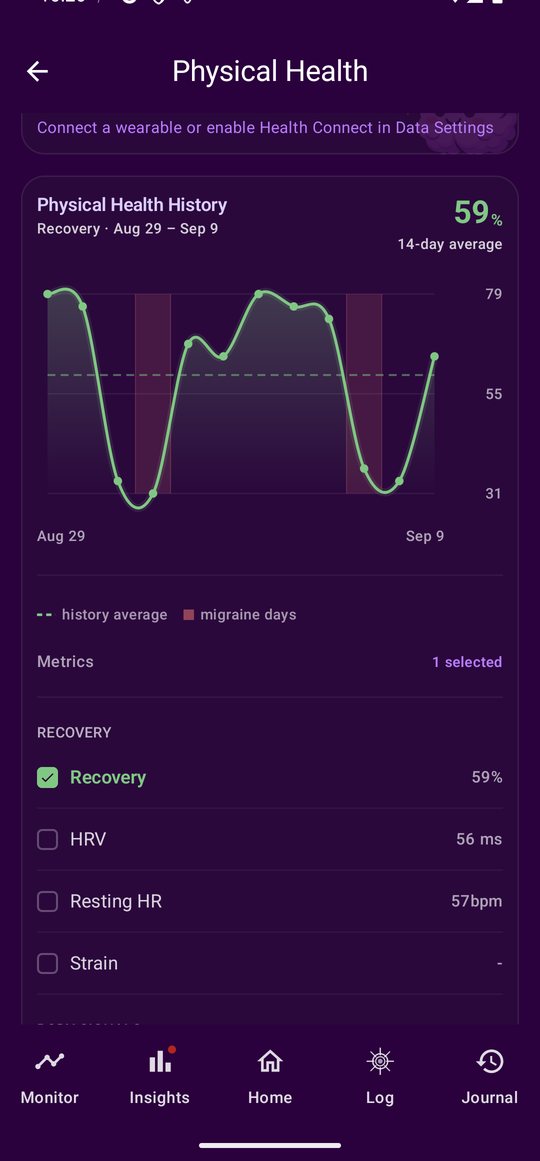
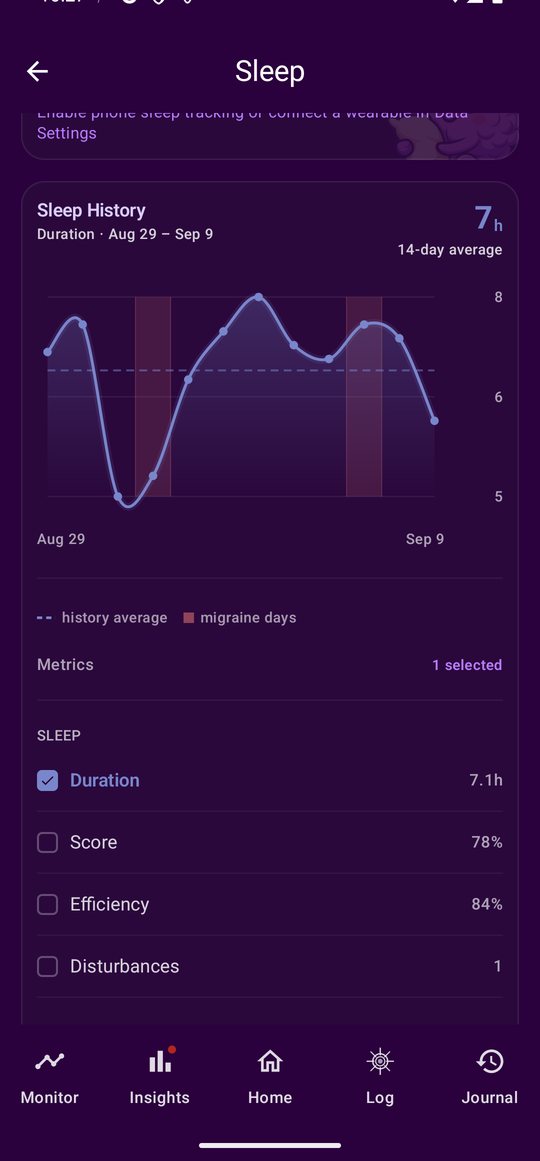
No. Log your attacks and the app works. Your phone can report screen time, noise and even sleep on its own, and weather comes from your location. A wearable or Health Connect adds HRV, resting heart rate, recovery, stress and sleep stages automatically.
Which wearables does MigraineMe support?
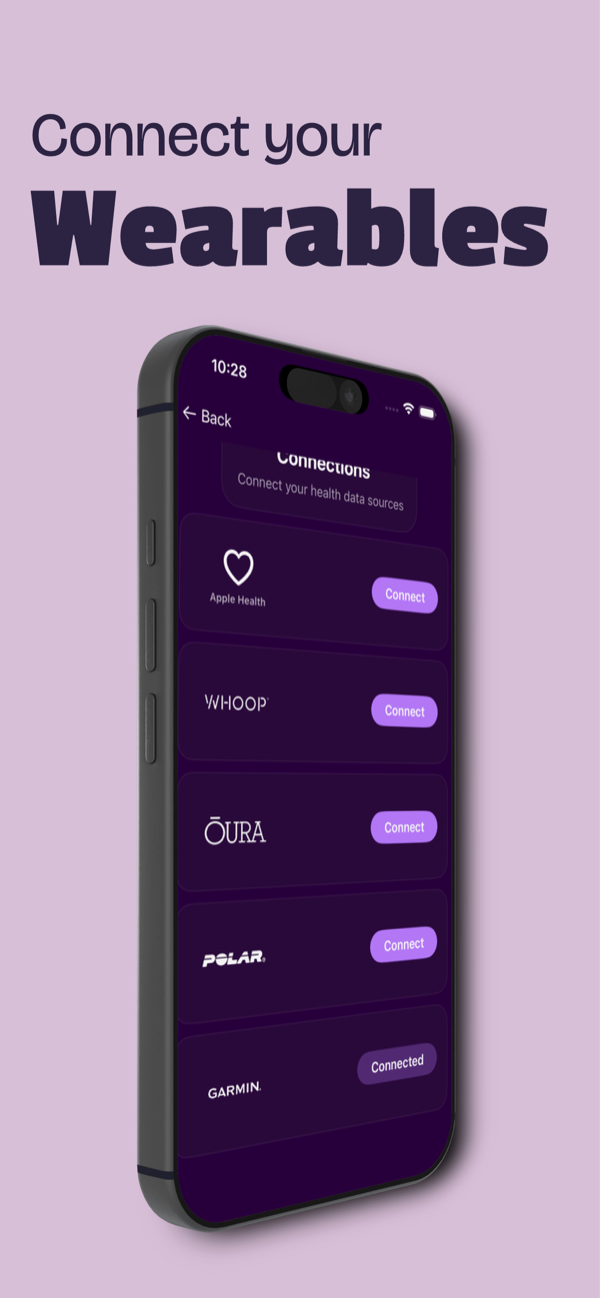
Garmin, Apple Watch, Polar, Oura and WHOOP, plus anything that writes to Health Connect on Android or Apple Health on iOS. Garmin and Apple Watch also have MigraineMe apps, so you can log an attack from the watch.
Is barometric pressure really a migraine trigger?
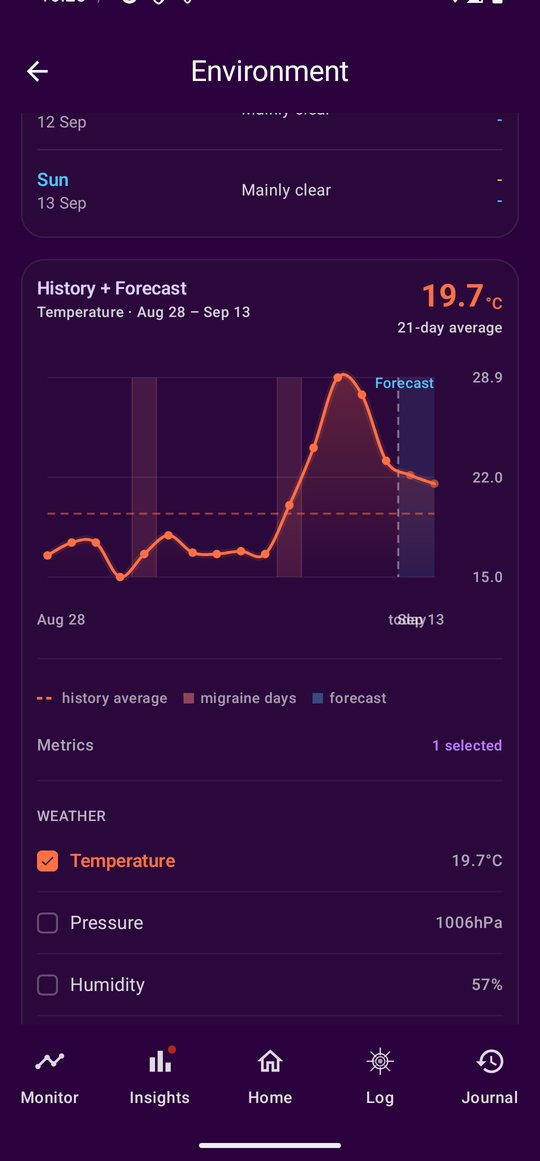
Pressure drops are among the most commonly reported triggers. MigraineMe tracks pressure, temperature, humidity, wind, UV, thunderstorm days and altitude for your location automatically, plots them against your migraine days, and shows the forecast zone so a drop is visible before it lands. Whether it is your trigger, your own data will say.
What is Premium?
The analysis layer: the 7-day risk forecast instead of just today, the full contributor list, daily insights, Ask MigraineMe, AI recommendations across six categories, the doctor-ready full report PDF, and weekly AI calibration of your gauge. Logging, automatic tracking and connecting your devices are not behind it.
Is my health data private?
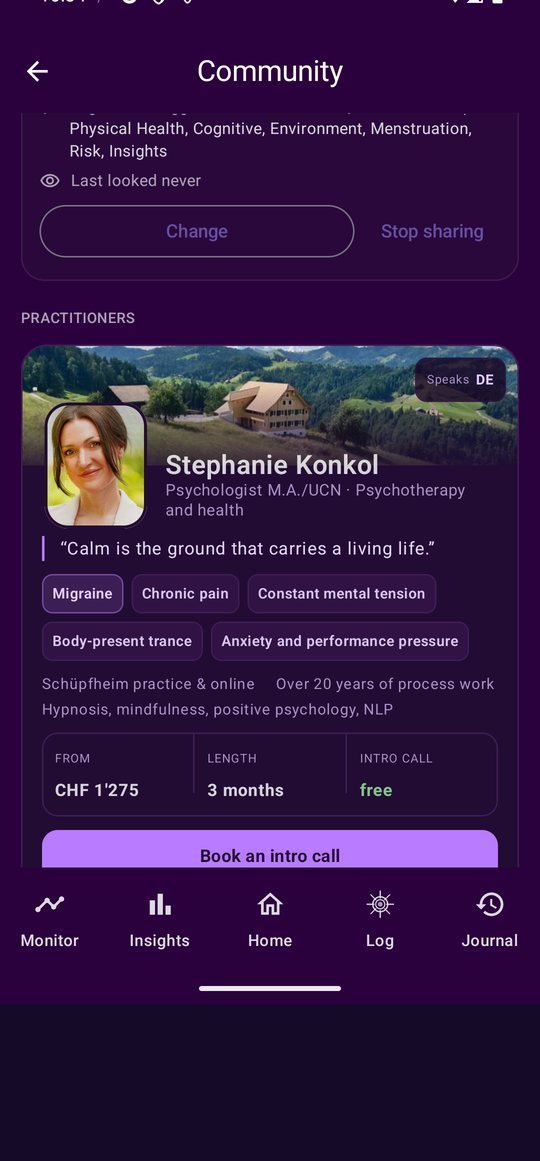
Yes. All health data is encrypted at rest and in transit, MigraineMe is fully GDPR compliant, we never sell your data or share it with advertisers, and you can delete your account and every byte with it at any time. A practitioner sees your data only where you consented, data point by data point, and you can revoke it whenever you like.
Is MigraineMe a medical device?
No. It is a personal tracking tool. It surfaces patterns in your own data to help you and your doctor make better decisions; it does not diagnose or treat migraine.










 Connect
 Detect
 Score
Score Estimate
 Learn
Learn